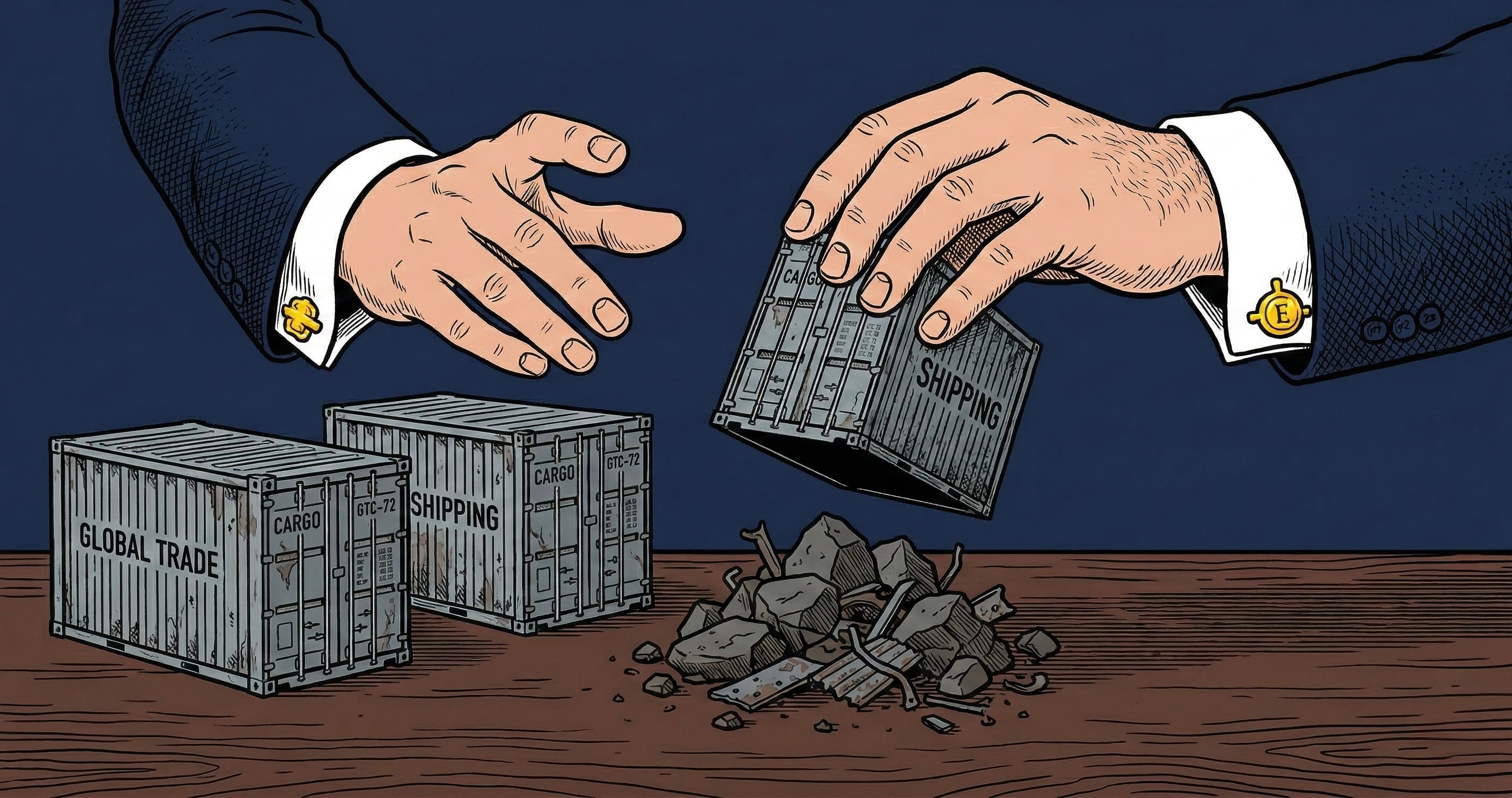
Chevron's asset swap with PDVSA reveals the structural gap between Venezuela's oil sector recovery and the financial infrastructure needed to sustain it. Correspondent banking has collapsed 99%, PDVSA has been in default since 2017, and oil revenues still flow through U.S. government accounts.
First Brands Group fabricated $2.3 billion in receivables, pledged them to multiple lenders simultaneously, and ran the scheme for seven years. The controls that failed are the same ones commodity trade finance banks rely on every day.
Trafigura has signed a deal for up to one metric ton of gold from Venezuela, where the state mining company is on the US sanctions list, 73 tonnes disappeared in a single year, and no public OFAC authorization covers gold-sector transactions.
The Strait of Hormuz and the Red Sea are shut at the same time. There is no maritime route through the Middle East. The insurance cancellations start March 5.
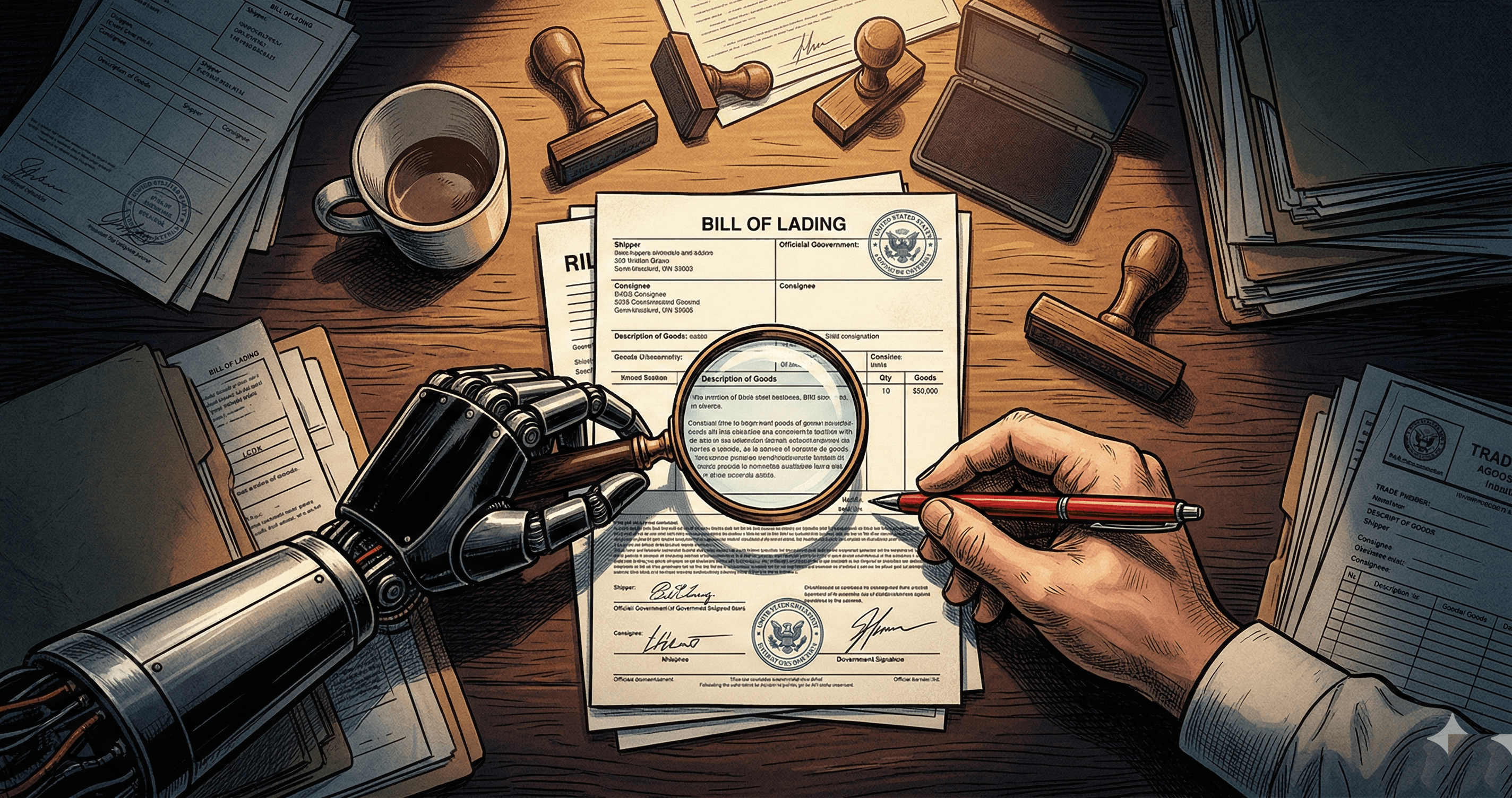
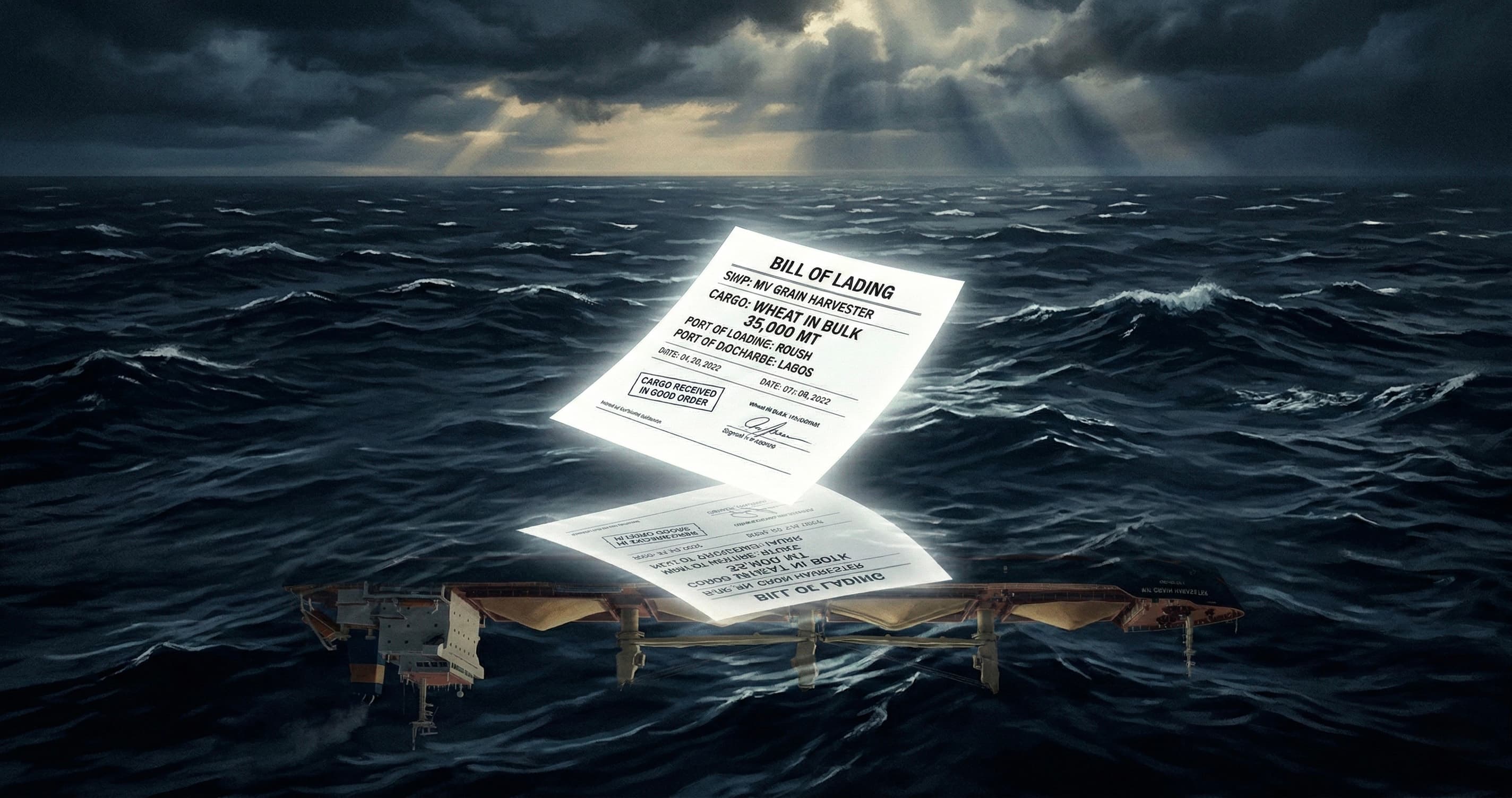
A bill of lading says 'freight prepaid.' It also says 'payable at D.' The confirming bank calls it a contradiction. The ICC has now ruled on this three times. Same answer every time.
Goldman Sachs has Anthropic engineers embedded in its offices building autonomous agents for trade accounting and client onboarding. Here is what that actually means for the rest of the industry.
The Supreme Court killed IEEPA tariffs. Trump fired back with Section 122. Meanwhile, the EU's 20th Russia sanctions package stalled at the finish line. What trade finance practitioners need to know.
Trafigura's third Euler Hermes-backed facility signals a structural shift: export credit agencies are now financing commodity imports. Here's what that means for trade finance.
DMCC, DIFC, and a new digital trade corridor to India. Dubai is making aggressive moves to capture trade finance market share from Singapore and London.
A shipping line stamps 'clean on board' on a bill of lading. The issuing bank rejects it. Both sides think they are right. Here is what UCP 600 actually says.
HSBC left West Africa. BNP Paribas scaled back in Central Asia. The pattern is clear: global banks are retreating from LC processing in frontier markets. The SMEs left behind pay the price.
Singapore became the first major trade hub to adopt the UNCITRAL Model Law on Electronic Transferable Records. Here is what changes, and what does not.
A European commodity house ships urea to Southeast Asia. The LC requires a 'CERTIFICATE OF QUALITY.' The exporter presents a 'QUALITY CERTIFICATE.' The bank refuses. $2.3 million in cargo sits in port.
SWIFT gpi promised faster, transparent cross-border payments. For trade finance, the reality is still days of delays, opaque correspondent chains, and cut-off time roulette.
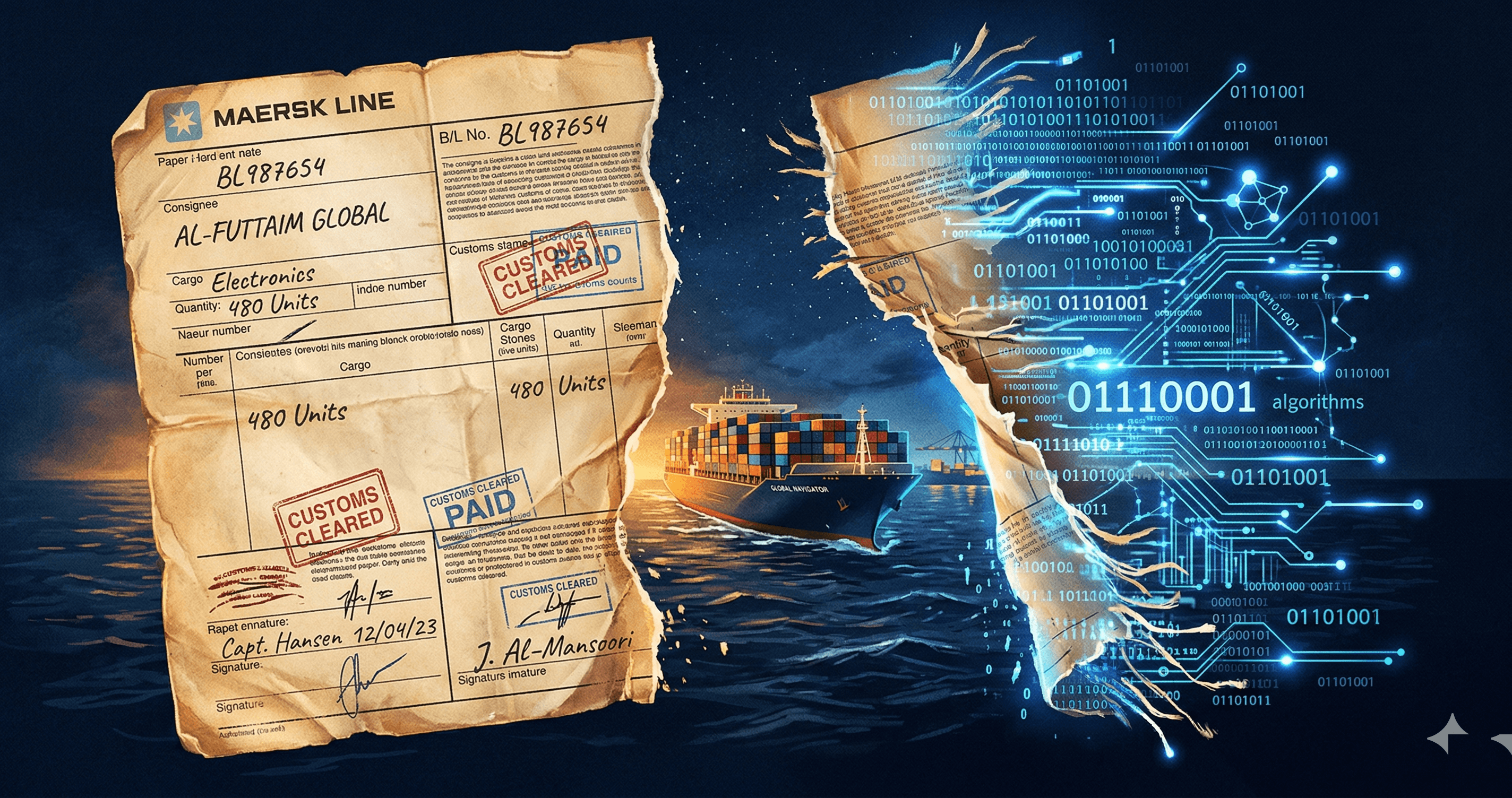
Trade finance digitization has been '5 years away' for 20 years. The problem is not technology. It is incentives, liability, and the fact that paper actually works.
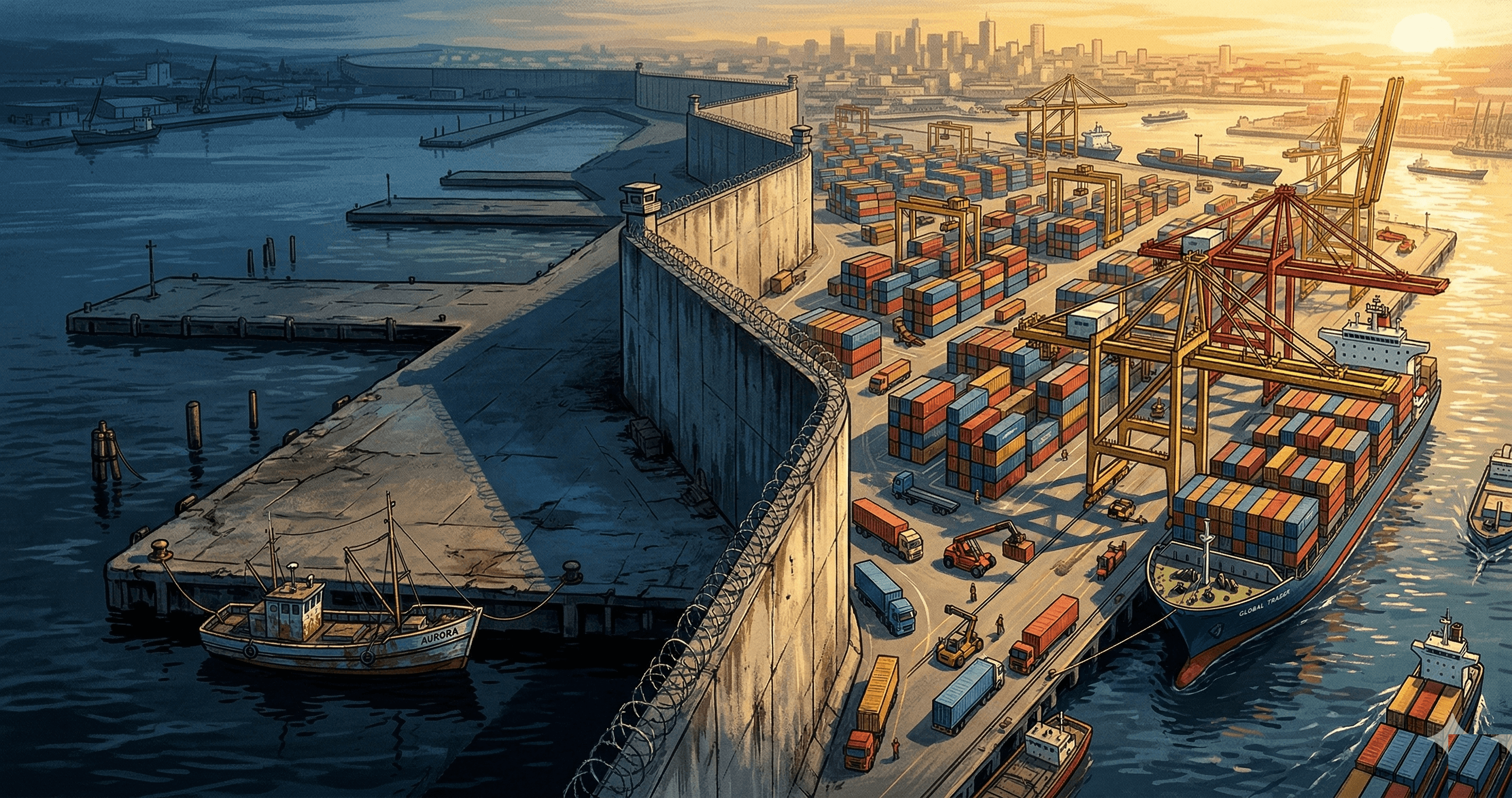
The global trade finance gap is growing, not shrinking. Here is why SMEs in emerging markets still cannot get letters of credit, and why the fixes are not working.
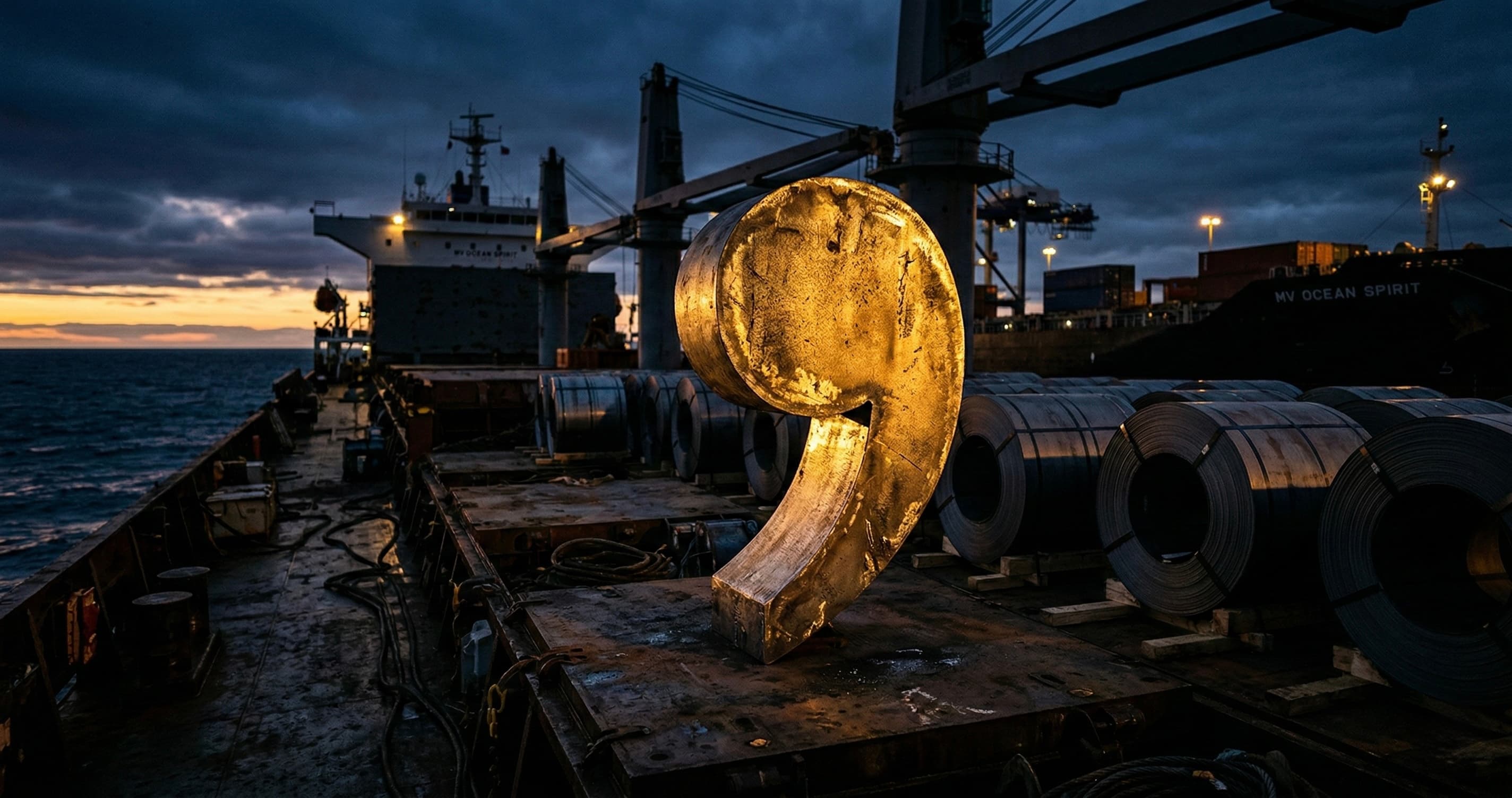
A comma in Germany is a decimal point in America. When that confusion hits a letter of credit for 12,500 metric tons of steel coil, someone loses $600,000 in demurrage and legal fees.